ExpatAdminHubEuropean expat guide
FR
Menu▾
HomePrivacyCookiesAboutContact
All guidesPreparationHousingFinanceHealthcareWorkFamily
ExpatAdminHubEuropean expat guide
HomePrivacyCookiesAboutContact
Categories
All guidesPreparation (checklists, visas, moving)Housing (rentals, utilities, neighborhoods)Finance (banking, taxes, budgeting)Healthcare (insurance, doctors, pharmacies)Work (jobs, contracts, work permits)Family (schools, childcare, family life)Culture (language, customs, integration)
FR

ExpatAdminHub

Practical guides for European expats navigating admin, housing, healthcare, and everyday life abroad.

Navigation

HomeAboutContactPrivacyTermsSitemap

Stay Updated

1 tip per week, no spam.

© 2026 ExpatAdminHub · European expat guide.
FR
  1. Home
  2. Blog
  3. Preparation
  4. Entry/Exit System (EES): What Non-EU Nationals Need to Know Starting 2025
European border control officer scanning biometric passport at automated gate system

Entry/Exit System (EES): What Non-EU Nationals Need to Know Starting 2025

Published October 16, 2025

From October 2025, the European Union is gradually rolling out the new electronic Entry/Exit System (EES), replacing traditional passport stamps for non-EU nationals. If you are an expat not from the EU or planning short stays, this change affects your travel, border checks, and planning. This article calmly explains: the situation, what to expect, how to prepare, and key takeaways.

The situation: why EES is being introduced now

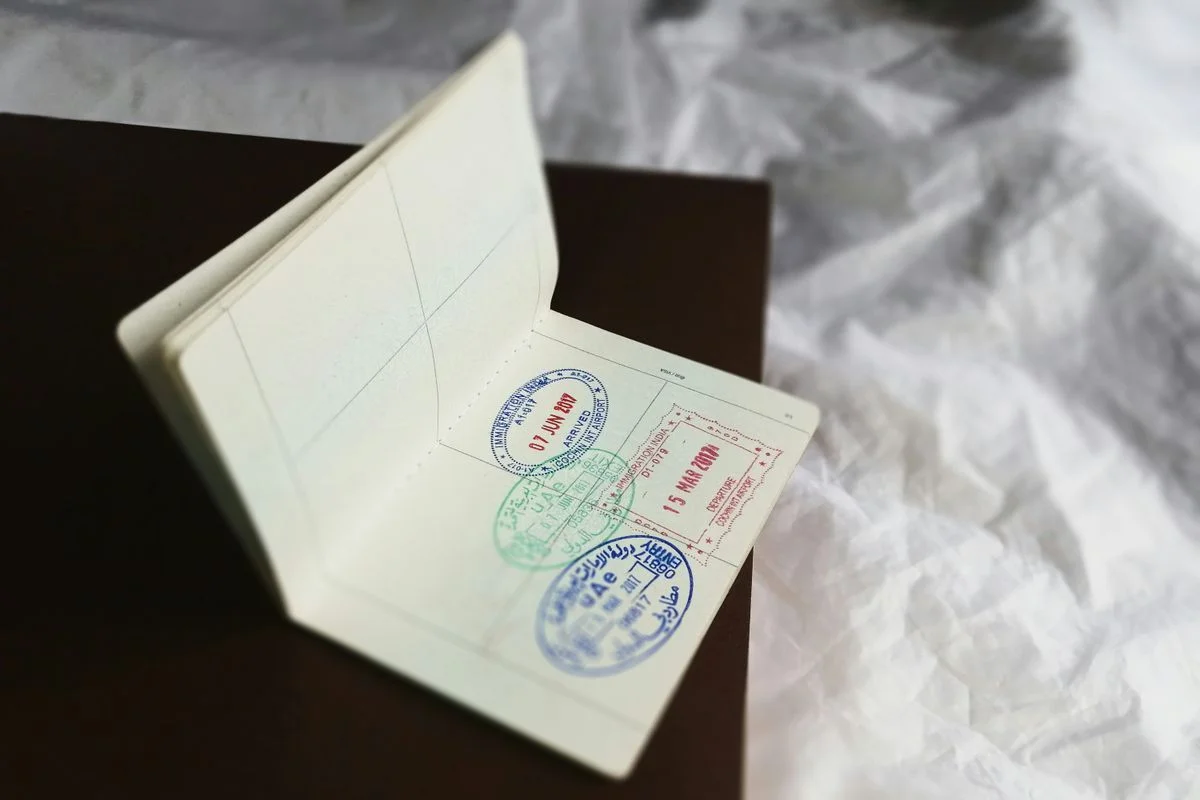
The Entry/Exit System (EES) is an automated system to electronically record entries and exits of people who are not EU/EEA/Swiss nationals at the external borders of the Schengen area. Until now, passports were stamped manually to verify duration of stay. With EES, biometric data (fingerprints, facial image) and timestamps will be logged electronically.

The official rollout begins 12 October 2025 in some border points, with a transition period until 10 April 2026 to cover all Schengen crossing points. During this period, passport stamping may still be used in some cases, but the electronic system will gradually take over.

This system does not apply to EU citizens or long-term residents (holders of residence permits) in Schengen states — those are generally exempt because their status is already registered. The aim is dual: strengthen border security (monitor overstays, identify irregular situations) and modernize border control procedures.

What to expect on your upcoming travels

Here are concrete changes you may face depending on entry point (air, train, ferry):

Biometric capture upon arrival: On your first entry into Schengen after EES implementation, you will provide fingerprints and a facial photo (children under 12 are exempt from fingerprinting). These will be tied to your passport and stored up to three years after your last exit.

No or minimal passport stamping: In many cases, you will not get a full passport stamp (or only a minimal one), because your entry is digitally recorded.

Border control at airports / ports / stations: Border posts will have automated kiosks or biometric gates for the formalities. Expect longer queues at first, as systems calibrate.

Exits also recorded: When you leave the Schengen area, your exit will be recorded — often without needing a traditional exit stamp.

Hybrid phase in early rollout: Until April 2026, many crossings will use both EES and older stamping systems. Some legacy methods will remain as backup.

Impact on overstays: If you stay beyond the allowed duration (e.g. more than 90 days in Schengen without a visa), the system's stricter tracking and automation may lead to clearer enforcement.

Exceptions & special cases:

- Children under 12: no fingerprinting required.

- Holders of Schengen visas or residence permits: often exempt since they already provided biometric data during issuing.

- Some smaller border points may lag in equipping EES systems. Local exceptions are possible.

What you should prepare for travel (2025–2026)

Here is a practical checklist to ensure your trips go smoothly:

1. Check your exemption status: If you are an EU citizen or hold a valid residence permit in a Schengen country, you are largely exempt from EES. Otherwise, be ready for biometric processing. Learn more about preparing your move abroad.

2. Ensure you have a valid passport: Your passport must remain valid for your entire stay. If you change passports, remember your EES data is tied to the passport used for registration.

3. Anticipate wait times: Early on, biometric gates may cause delays. Arrive early for flights or border crossings, and build extra buffer time into your itinerary. Check our guide on getting around Europe for travel tips.

4. Carry scans / photocopies: A copy of your passport (ID page) can be useful as backup, though it cannot replace the biometric check.

5. Watch for national initiatives: Some countries might roll out pre-registration apps or fast registration before border arrival — check your host country announcements.

6. Know your rights & recourse: If an EES record is incorrect (wrong entry, exit, status), you can request correction from the national authorities or at the border authority.

7. Do not rely solely on passport stamps: Even if you receive a stamp, the electronic record is the official one. Keep transport tickets, boarding passes, and other proof of passage.

8. If transiting via Schengen: Even a transit might require biometric processing at the border. Do not assume it is exempt.

9. Follow the transition timeline: Through early 2026, expect hybrid operations. Some crossings may still use manual stamps temporarily.

10. Retain your travel documents: Keep boarding passes, tickets, and exit documents — these will help resolve disputes in case of entry/exit discrepancies. Having proper documentation is essential, especially when dealing with European health insurance requirements during travel.
Example scenario with EES

Suppose you are a U.S. citizen living in Germany and plan a two-night trip to Belgium. With the EES:

- At your first entry into Schengen (maybe from a non-Schengen airport), you will scan your fingerprints, have your photo taken, and your presence is recorded in EES.

- When crossing from Germany to Belgium, no new registration is needed (both in Schengen).

- On exit back to a non-Schengen country (say the U.K.), your departure is logged in EES.

- If you tried to stay beyond your allowed days, the automated system may flag you for enforcement or future entry issues.

Key takeaways

- The EES electronically replaces passport stamps for non-EU nationals, recording border crossings via biometric and timestamp data.

- Rollout starts in October 2025; full coverage by April 2026.

- If you hold residence in an EU country with a valid permit, you are often exempt.

- Expect biometric processing, longer lines, and digital rather than physical stamps.

- Plan ahead: valid passport, buffer time, backup documents.

- Hybrid operations during rollout mean some variation in experience.

- Keep your trip records to support any future clarifications.

This change is central to how Europe handles border security and mobility. With awareness and a calm approach, you can navigate it smoothly — and with confidence in your travels ahead.

Frequently Asked Questions

Does EES apply to EU citizens or permanent residents?

No. If you are an EU citizen or hold a valid residence permit in a Schengen country, you are generally exempt from EES procedures. EES is designed for non-EU nationals without long-term residency.

What happens if I exceed the allowed duration of stay?

If you exceed your allowed stay (e.g. 90 days without a visa), EES makes it easier for authorities to detect the overstay. You may face restrictions on future entries or fines, depending on the country. It is best to seek a legal extension when possible.

Can I challenge an improperly recorded entry or exit?

Yes. If you find an error (wrong time, crossing point, status), you can contact the national authority in charge of EES or the border control point to request correction. Keep your travel proofs (tickets, boarding passes).

Stay updated

For more practical insights on this topic, explore our related articles:

  • Why Administrative Systems Never Adapt to Expat Life — Even When You Wait
  • Small Expat Changes That Quietly Build the Biggest Problems
  • Why Expat Life Feels Manageable — Until It Suddenly Doesn’t
  • Why Everything Feels Fine for Expats — Until It Suddenly Isn’t

Conclusion: EES represents a turning point in how non-EU nationals cross European borders. This new digital system will bring more oversight and traceability — and some initial friction. By anticipating the formalities, ensuring your passport is valid, and keeping your travel proofs, you can navigate this change with minimal stress. Over time, you will travel in a smoother framework — but the first step is being well prepared.

Stay Updated

1 tip per week, no spam.

About the author:

Jules Guerini is a European expat guide sharing practical, tested advice for navigating life abroad. From admin to housing to healthcare, he focuses on simple strategies that actually work. Contact: info@expatadminhub.com

Related posts

Why Administrative Systems Never Adapt to Expat Life — Even When You Wait
Visas & Residence•January 14, 2026

Why Administrative Systems Never Adapt to Expat Life — Even When You Wait

One of the most persistent beliefs among expats is that time will solve administrative problems. That if you wait long enough, systems will update, adapt, or correct themselves. In reality, waiting often makes things worse. Administrative systems do not observe your life and adjust. They apply static logic to declared data. This article explains why systems never adapt automatically to expat life, why waiting is misinterpreted as confirmation, and why clarity only comes when alignment is made explicit.

Read the article
Small Expat Changes That Quietly Build the Biggest Problems
Visas & Residence•January 13, 2026

Small Expat Changes That Quietly Build the Biggest Problems

When expats look back at a major administrative problem, they almost never point to a single mistake. Instead, they describe an accumulation of small, reasonable adjustments that never seemed important at the time. A few extra days of remote work. A temporary address. A short contract gap. Taken separately, nothing feels serious. Together, these decisions silently change how systems interpret your life. This article explains how this administrative drift builds for expats, why it stays invisible, and why the consequences feel sudden when the causes have been gradual.

Read the article
Why Expat Life Feels Manageable — Until It Suddenly Doesn’t
Visas & Residence•January 12, 2026

Why Expat Life Feels Manageable — Until It Suddenly Doesn’t

Most expats don’t describe their life as chaotic. They describe it as demanding, sometimes tiring, but manageable. Until one day, it isn’t. Something breaks. Access to healthcare. A bank account. A tax situation. A right you assumed was stable. And suddenly, the entire administrative structure that supported your life feels fragile. This article explains why expat life often collapses all at once rather than gradually, why the warning signs are easy to miss, and why this experience is not a personal failure — but a systemic one.

Read the article